125th Century BC
12,500 BC
12,490 BC
12,480 BC
12,470 BC
12,460 BC
12,450 BC
12,440 BC
12,430 BC
12,420 BC
12,410 BC
124th Century BC
12,400 BC
12,390 BC
12,380 BC
12,370 BC
12,360 BC
12,350 BC
c.12350 At Shubayqa 1 in northeastern Jordan, Natufian hunter-gatherers prepared flatbread-like foods from ground wild cereals. The earliest direct evidence yet identified for bread-making, roughly 4,000 years before the widespread adoption of agriculture in Southwest Asia.
12,340 BC
12,330 BC
12,320 BC
12,310 BC
123rd Century BC
12,300 BC
12,290 BC
12,280 BC
12,270 BC
12,260 BC
12,250 BC
12,240 BC
12,230 BC
12,220 BC
12,210 BC
122nd Century BC
12,200 BC
12,190 BC
12,180 BC
12,170 BC
12,160 BC
12,150 BC
12,140 BC
12,130 BC
12,120 BC
12,110 BC
121st Century BC
12,100 BC
12,090 BC
12,080 BC
12,070 BC
12,060 BC
12,050 BC
12,040 BC
12,030 BC
12,020 BC
12,010 BC
120th Century BC
12,000 BC
c.12000 Incipient Jōmon communities in Japan continue one of the world's earliest pottery traditions.
11,990 BC
11,980 BC
11,970 BC
11,960 BC
11,950 BC
11,940 BC
11,930 BC
11,920 BC
11,910 BC
119th Century BC
11,900 BC
11,890 BC
11,880 BC
11,870 BC
11,860 BC
11,850 BC
11,840 BC
11,830 BC
11,820 BC
11,810 BC
118th Century BC
11,800 BC
12000-10800 Early Natufian communities in the Levant build semi-sedentary villages, storage facilities, and intensive wild-cereal economies before farming proper.
11,790 BC
11,780 BC
11,770 BC
11,760 BC
11,750 BC
11,740 BC
11,730 BC
11,720 BC
11,710 BC
117th Century BC
11,700 BC
11,690 BC
11,680 BC
11,670 BC
11,660 BC
11,650 BC
11,640 BC
11,630 BC
11,620 BC
11,610 BC
116th Century BC
11,600 BC
11,590 BC
11,580 BC
11,570 BC
11,560 BC
11,550 BC
11,540 BC
11,530 BC
11,520 BC
11,510 BC
115th Century BC
11,500 BC
11,490 BC
11,480 BC
11,470 BC
11,460 BC
11,450 BC
11,440 BC
11,430 BC
11,420 BC
11,410 BC
114th Century BC
11,400 BC
11,390 BC
11,380 BC
11,370 BC
11,360 BC
11,350 BC
11,340 BC
11,330 BC
11,320 BC
11,310 BC
113th Century BC
11,300 BC
c.11300-9400 Tell Abu Hureyra in Syria preserves a rare sequence from sedentary hunter-gatherers to some of the world's earliest farmers.
11,290 BC
11,280 BC
11,270 BC
11,260 BC
11,250 BC
11,240 BC
11,230 BC
11,220 BC
11,210 BC
112th Century BC
11,200 BC
11,190 BC
11,180 BC
11,170 BC
11,160 BC
11,150 BC
11,140 BC
11,130 BC
11,120 BC
11,110 BC
111th Century BC
11,100 BC
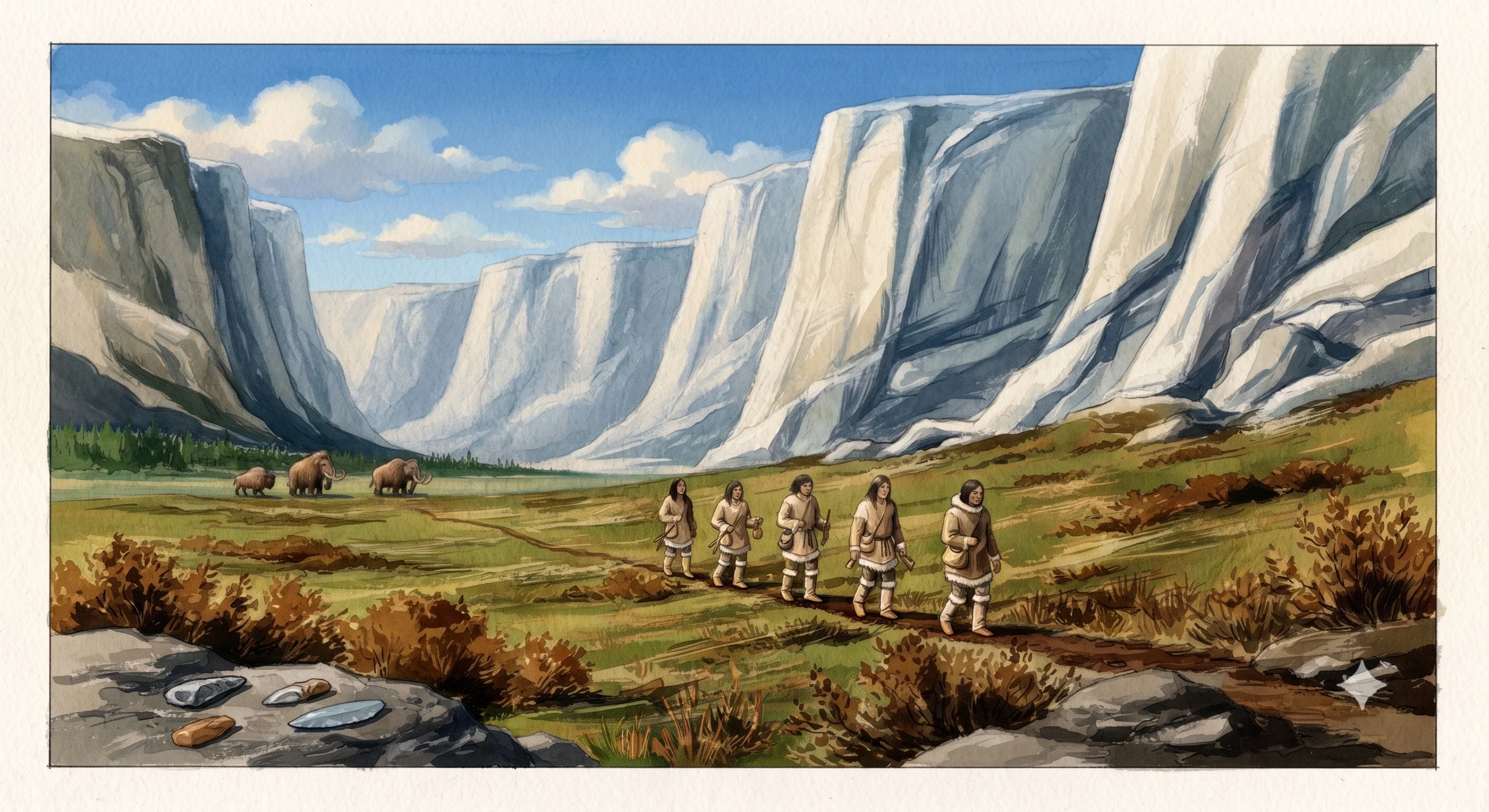
c.11100-10800 The Clovis culture becomes the earliest widely recognised archaeological tradition in North America.
11,090 BC
11,080 BC
11,070 BC
11,060 BC
11,050 BC
11,040 BC
11,030 BC
11,020 BC
11,010 BC
110th Century BC
11,000 BC
10,990 BC
10,980 BC
10,970 BC
10,960 BC
10,950 BC
10,940 BC
10,930 BC
10,920 BC
10,910 BC
109th Century BC
10,900 BC
10,890 BC
10,880 BC
10,870 BC
10,860 BC
10,850 BC
10,840 BC
10,830 BC
10,820 BC
10,810 BC
108th Century BC
10,800 BC
c.10800-10200 The Folsom tradition spreads across the Great Plains after Clovis, marking an early Paleo-Indian adaptation focused on bison hunting.
10,790 BC
10,780 BC
10,770 BC
10,760 BC
10,750 BC
10,740 BC
10,730 BC
10,720 BC
10,710 BC
107th Century BC
10,700 BC
10,690 BC
10,680 BC
10,670 BC
10,660 BC
10,650 BC
10,640 BC
10,630 BC
10,620 BC
10,610 BC
10610 Guitarrero Cave in Peru preserves some of the earliest secure highland Andean human remains, fiberwork, and plant use.